
Résumé Tips. Interview Prep.
Transition Tools.
Transitioning from military to civilian employment takes more than applying to jobs — it takes preparation, strategy, and support. Stand out to veteran-friendly employers and take the next confident step in your career.
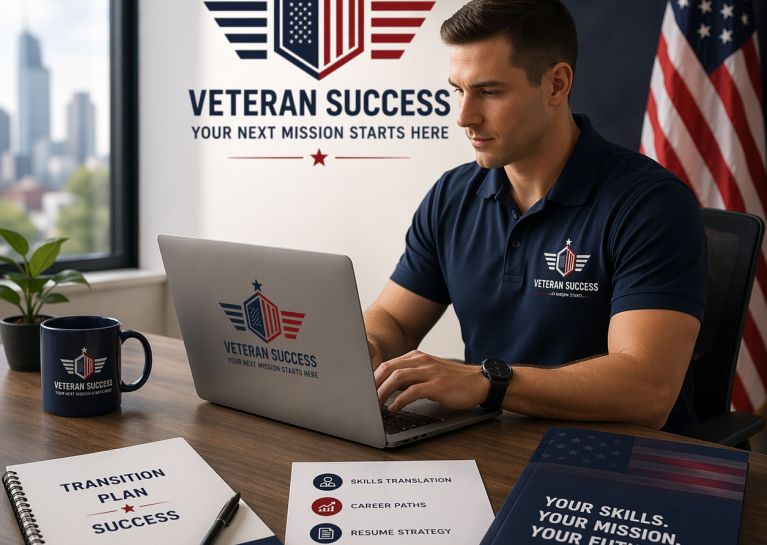
Build a Résumé That Gets You Hired
Your résumé is your personal marketing document. Show civilian hiring managers how your military experience translates into real value.
Translate Military Terms
Avoid acronyms and branch-specific terminology. Instead of "Squad Leader," use "Team Supervisor." Focus on function and results so civilian hiring managers can understand your contributions.
Highlight Transferable Skills
Leadership, strategic thinking, logistics, communication, and problem-solving are all marketable. Frame your experience in ways that apply across industries.
Quantify Your Accomplishments
Use impact statements like: "Reduced logistical response times by 30%" or "Trained 150+ personnel on cybersecurity protocols." Metrics show credibility.
Tailor Each Résumé to the Job
Customize using language from the job description and emphasizing skills that match the employer's priorities. One-size-fits-all rarely works.
Use a Professional Summary
Include a short summary at the top that highlights your strengths and what you're seeking, rather than using a generic objective statement.
Focus on Achievements Over Duties
Rather than listing what you were responsible for, explain how your actions made a difference. Show impact, not just presence.
List Certifications & Clearances
Include relevant certifications (PMP, CompTIA, OSHA) and active or former clearances (Secret, Top Secret) to give you an edge in security-sensitive roles.
Clean Formatting Matters
Avoid text boxes, excessive colors, or decorative fonts. Stick to simple formatting with consistent section headers and clean bullet points. 1–2 pages max.
Visit Market-Connections Resume Services — a veteran-friendly resource specializing in résumé writing, cover letters, LinkedIn profiles, and career transition support.
Interview Strategies That Work for Veterans
Once your résumé lands you an interview, preparation will help you shine. Civilian interviews can feel unfamiliar — these strategies will help.
Use the STAR Method
Answer behavioral questions using Situation, Task, Action, and Result. It keeps your answers focused and helps you tell powerful, memorable stories.
Anticipate Civilian Questions
Practice answering: "Why are you leaving the military?" and "Tell me about a time you led a team." Focus on relevance and adaptability.
Prepare Your Introduction
Craft a brief, confident response to "Tell me about yourself" — include your most relevant background, skills, and career goals.
Research the Company and Role
Learn about the employer's mission, culture, and needs. Tailor your answers to show alignment with their values and demonstrate genuine interest.
Speak Confidently About Transition
Emphasize readiness, growth, and opportunity — not just that you're leaving service. Reframe it as a strategic career move.
Practice With a Friend or Coach
Rehearse answers and receive feedback. This reduces nervousness, refines delivery, and increases clarity — especially important for civilian-style interviews.
Prepare Questions to Ask
Ask about team dynamics, career development, or how the company supports veterans. Insightful questions show initiative and genuine interest.
Send a Thank-You Letter
Always send a thank-you email within 24 hours after the interview. Reiterate your enthusiasm and reference something specific from your conversation.
Build Your Professional Presence
Beyond résumés and interviews, success in the civilian job market depends on how you present yourself across all platforms and touchpoints.
Cover Letters
Write a compelling, personalized letter that shows you've researched the company and explains why you're a strong fit for the specific role.
Thank-You Letters
More than a polite gesture — thank-you emails show professionalism and help you stand out after interviews. Send within 24 hours.
LinkedIn Profile
LinkedIn is often the first platform recruiters visit. Ensure your profile is complete, uses industry keywords, and includes a professional headshot photo.
Online Presence
Search your name online and clean up anything unprofessional. Use a professional email address. Consider a portfolio site if relevant to your field.
Personal Branding
Ensure your résumé, cover letter, and LinkedIn are aligned in format, tone, and language. Consistency builds trust with employers.
Professional Résumé Help
Need expert help? Visit Market-Connections.net for veteran-friendly résumé writing, cover letters, LinkedIn profiles, and more.
You Served Your Country.
Now Let Us Serve You.
Explore veteran career fairs, search jobs posted by veteran-friendly employers, and use our resources to land your next mission.